Fashion has always been a mirror of its time — reflecting how we live, consume, and dream. Yet for Fuguku, fashion is more than self-expression; it is cultural continuity. The brand’s commitment to sustainability is not a marketing statement — it’s a preservation act, ensuring that heritage and responsibility evolve side by side.
Tradition as Tomorrow’s Material
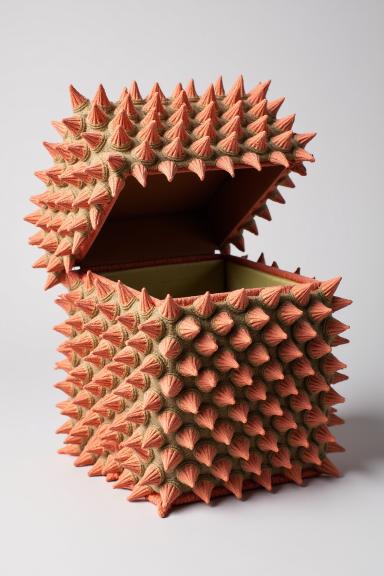
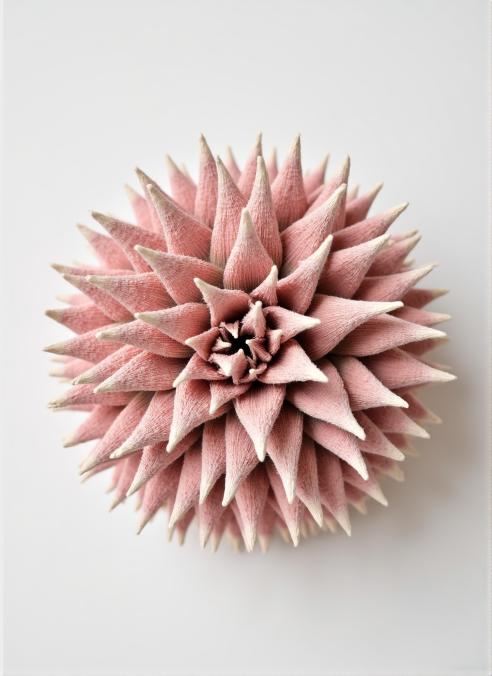
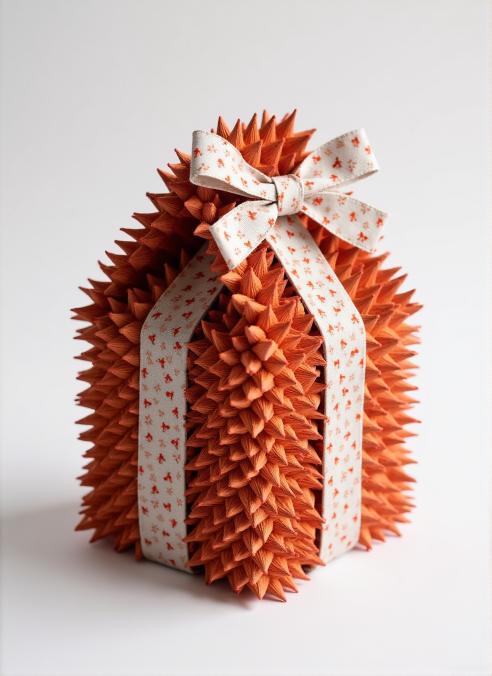
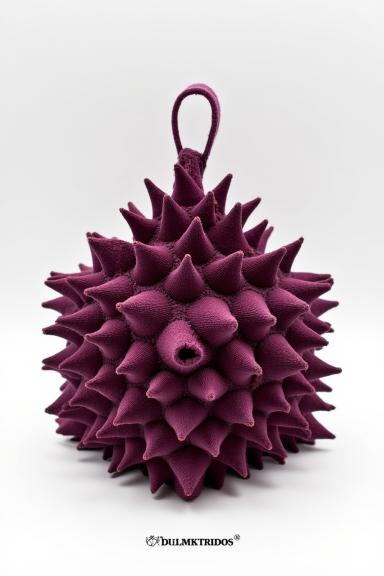
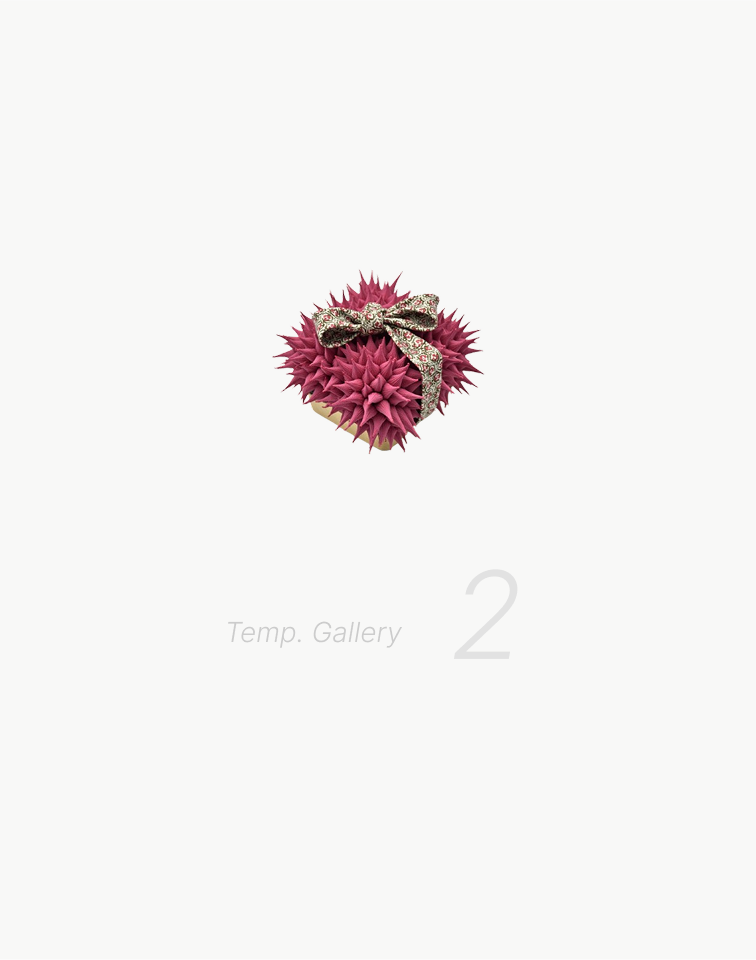
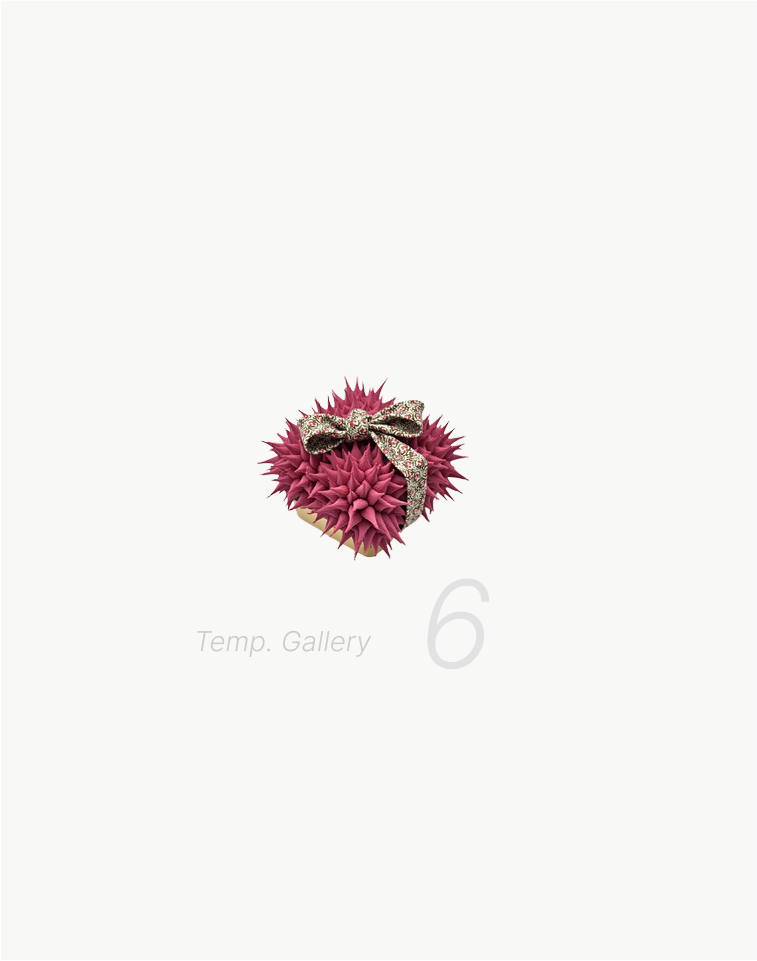
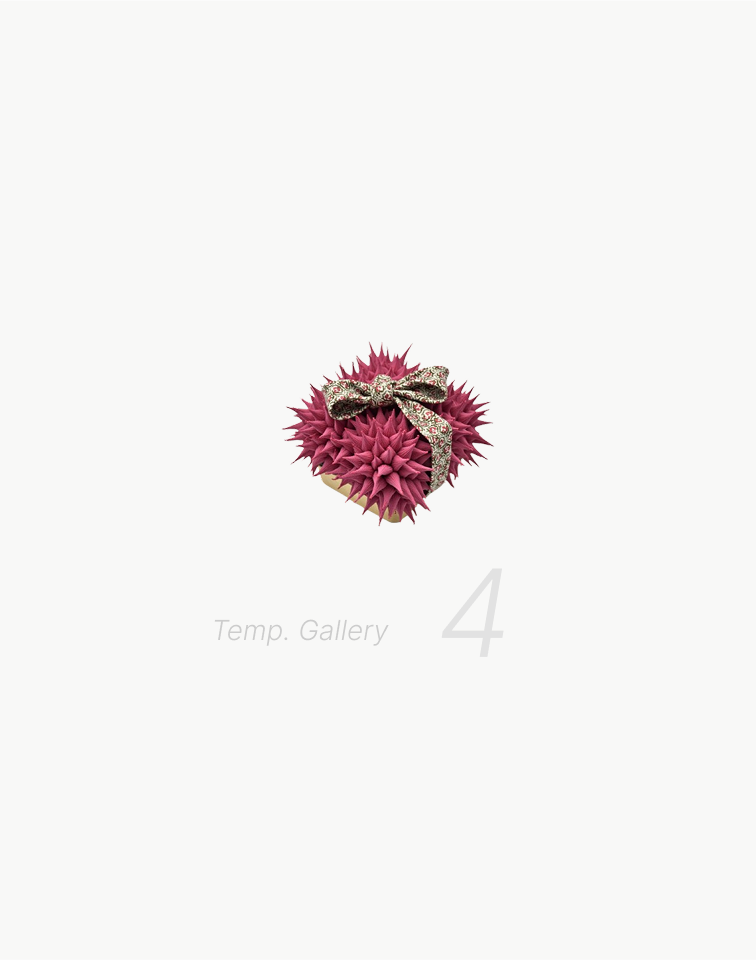
In a fast-changing world, traditional crafts often risk being left behind. Fuguku’s response is to integrate them into the future. Its signature “spiky” Jumputan texture, hand-created by women artisans, represents both innovation and remembrance — the past reborn through design.
Each fabric begins as recycled polyester sourced from ocean waste. Each pattern, though modern, is rooted in Jumputan’s meditative rhythm. This fusion of new material and old soul embodies what Fuguku calls conscious creation — design that honors where it came from while protecting where it’s going.
Sustainability as a Cultural Act
For Fuguku, sustainability isn’t just about the planet — it’s about people and process. The brand’s repair service, which revives worn pieces back to their original beauty, reflects the Indonesian value of merawat — to care, to sustain, to continue.
This act of care transforms the relationship between object and owner into a long-term dialogue, not a disposable one. “To sustain is to remember,” says founder Savirra Lavinia. “It means respecting the time, the hands, and the history behind every creation.”
A Legacy in Motion
Fuguku reminds us that culture survives not by staying still, but by adapting. Through its blend of tradition, modern technique, and mindful design, the brand proves that the truest form of sustainability is not only environmental — it’s cultural continuity itself.
Fuguku doesn’t just preserve heritage; it propels it forward — one conscious stitch at a time.