Morning light filters through the narrow streets of Jakarta’s urban villages — Tangerang, Condet, Pasar Minggu. The rhythm of the day begins not with the clatter of traffic, but with the gentle sound of fabric being tied, dyed, and dried. Here, in these modest spaces, Fuguku’s true atelier comes alive.
The Hands That Shape a Dream
Behind every Fuguku creation lies the quiet strength of over seventy women — artisans, mothers, and homemakers who have turned craft into courage. For many, the brand became more than a workplace; it became a revival of identity.
One artisan smiles shyly as she speaks of her journey. Once a stroke survivor who struggled to find stability, she now leads a small team of dyers. “When I work with these colors,” she says, “I feel alive again. My hands remember hope.”
These stories are the hidden seams of Fuguku’s fabric — invisible to the eye, but essential to its soul.
Empowerment Through Craftsmanship
Founder Savirra Lavinia envisioned Fuguku not just as a brand, but as a bridge — connecting heritage, design, and empowerment. She reimagined the traditional Jumputan technique into a simplified, modernized form that women could master from their own homes.
The result was a process that transformed artistry into accessibility.
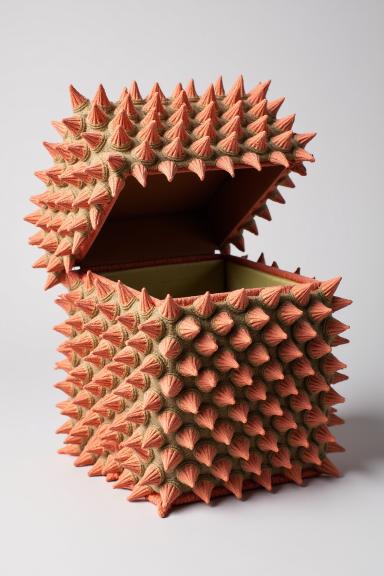
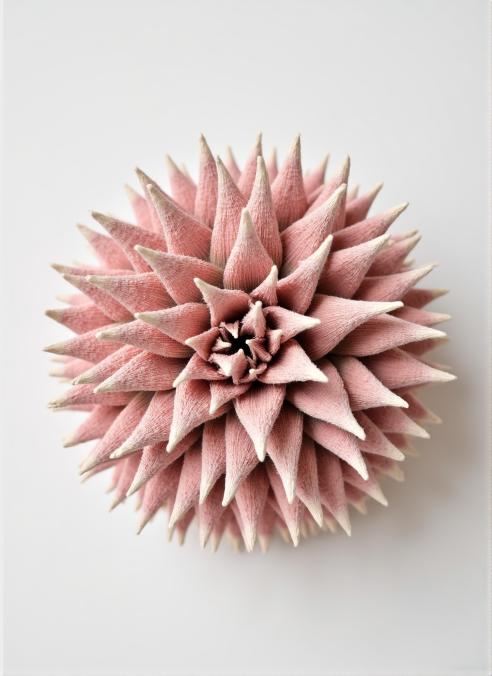
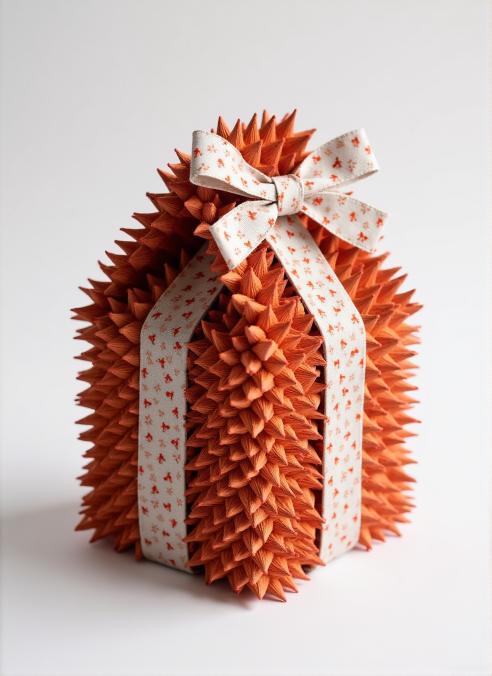
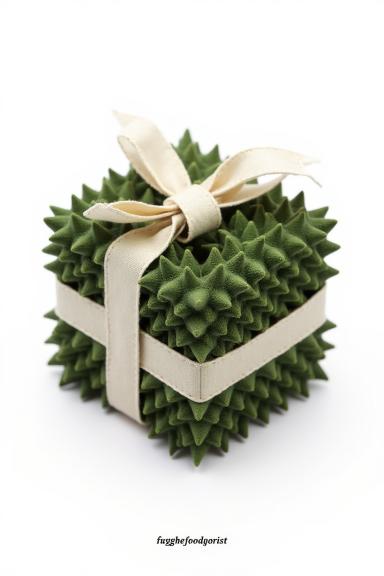
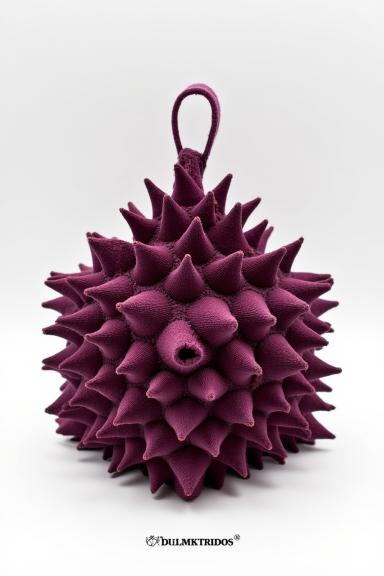
Each artisan is trained, supported, and celebrated. Workshops emphasize not only skill but dignity — teaching that craftsmanship is not labor, but legacy. The “spiky” textures, now Fuguku’s signature, are not the product of machines but of human rhythm — each spike a fingerprint of individuality.