Beneath the hum of Jakarta’s narrow alleyways, the air smells faintly of dye and determination. Rolls of fabric are stretched beneath the soft sunlight, while women’s laughter echoes between the walls. Their fingers — quick, practiced, and patient — dance upon threads dipped in color. These are the artisans of Fuguku, the brand that is quietly reshaping how the world sees Indonesian craftsmanship.
A Heritage Reimagined
Long before fashion weeks and runways, there was Jumputan — an ancient Indonesian tie-dye technique rooted in ritual and patience. Each pattern was a prayer; each knot, a story. The craft once lived in villages where time moved slowly, and fabric-making was an act of devotion.
When Savirra Lavinia, Fuguku’s founder, first encountered Jumputan, she saw both beauty and fragility — a heritage at risk of fading. Her inspiration struck when she discovered Bai Shibori, Japan’s meticulous fabric-dyeing art. She recognized an unspoken kinship between the two cultures: both honored imperfection, rhythm, and the human touch.
Thus began Fuguku’s journey — to weave together these traditions into something entirely new.
From Jumputan to “Spiky” Artistry
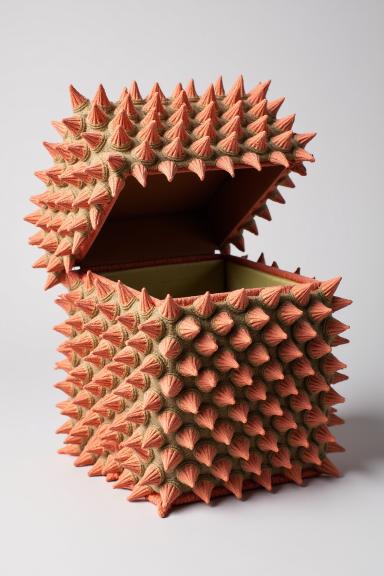
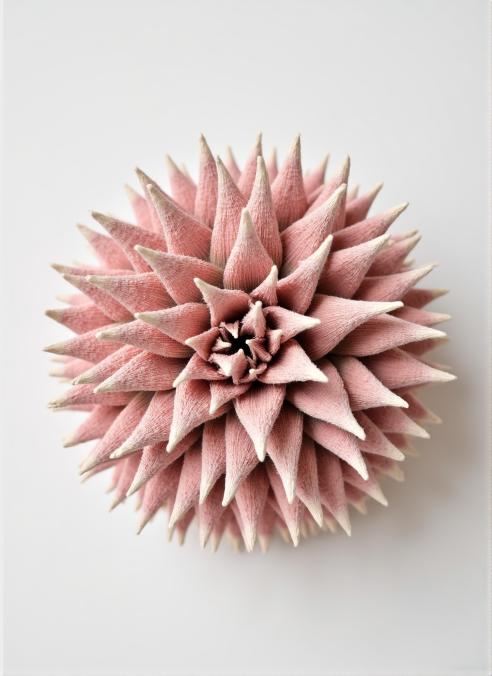
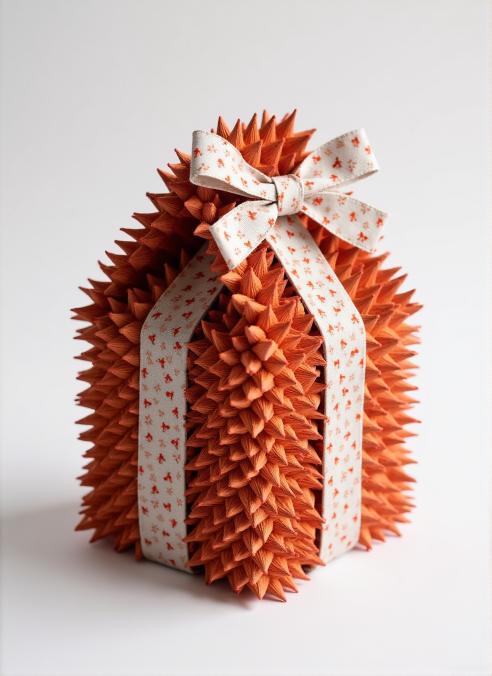
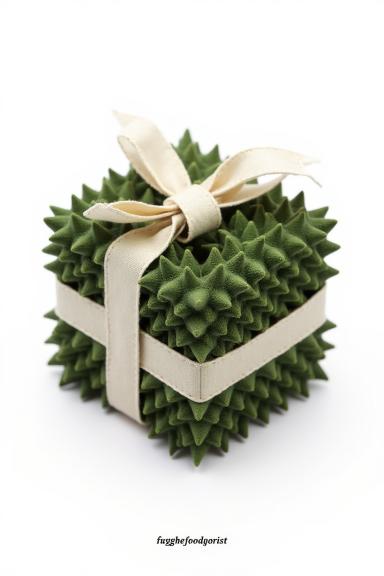
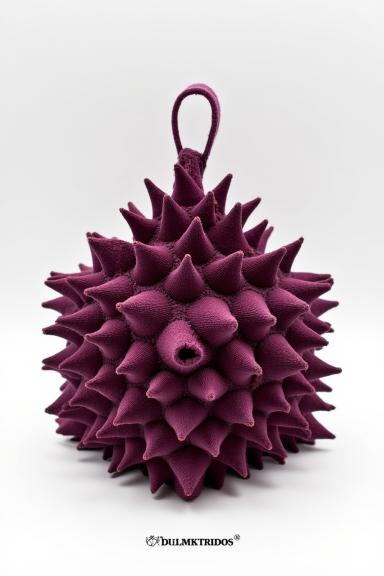
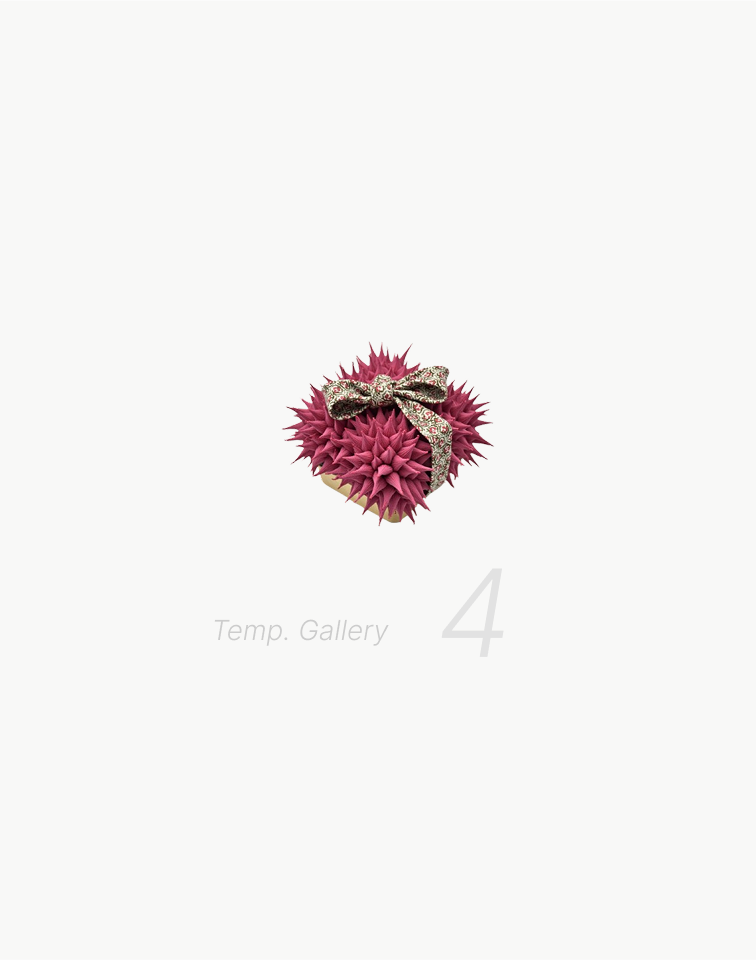
Savirra’s early experiments were modest. In a small studio in 2021, she began adapting Jumputan with new tools, techniques, and recycled fabrics. What emerged was something unexpected: a bold, tactile texture reminiscent of the pufferfish — fugu in Japanese — that inspired the brand’s name.
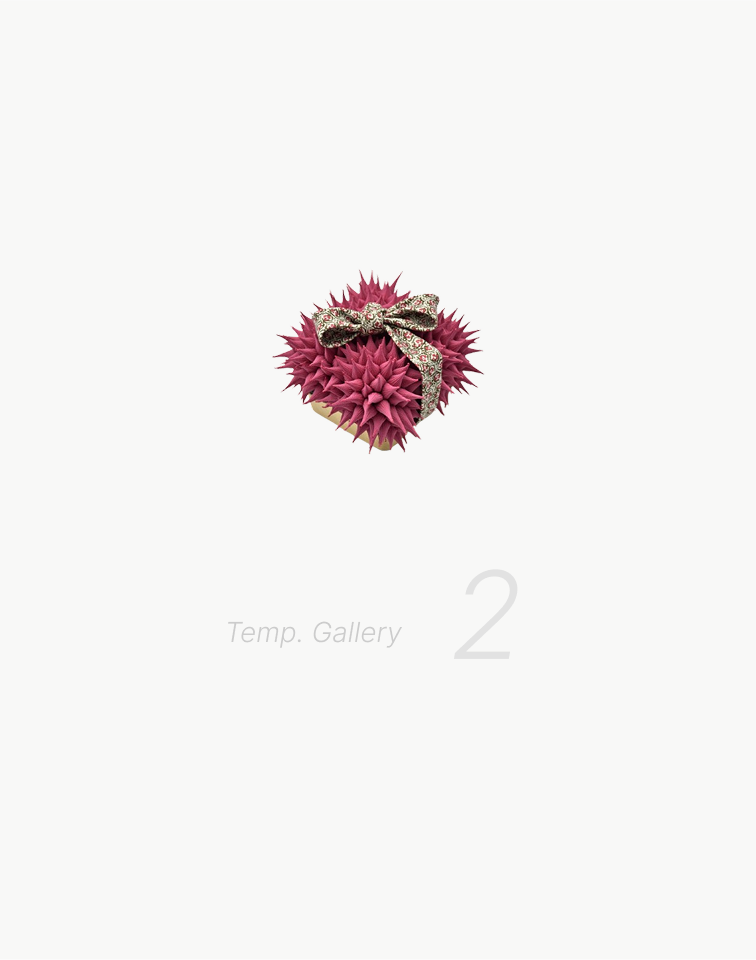
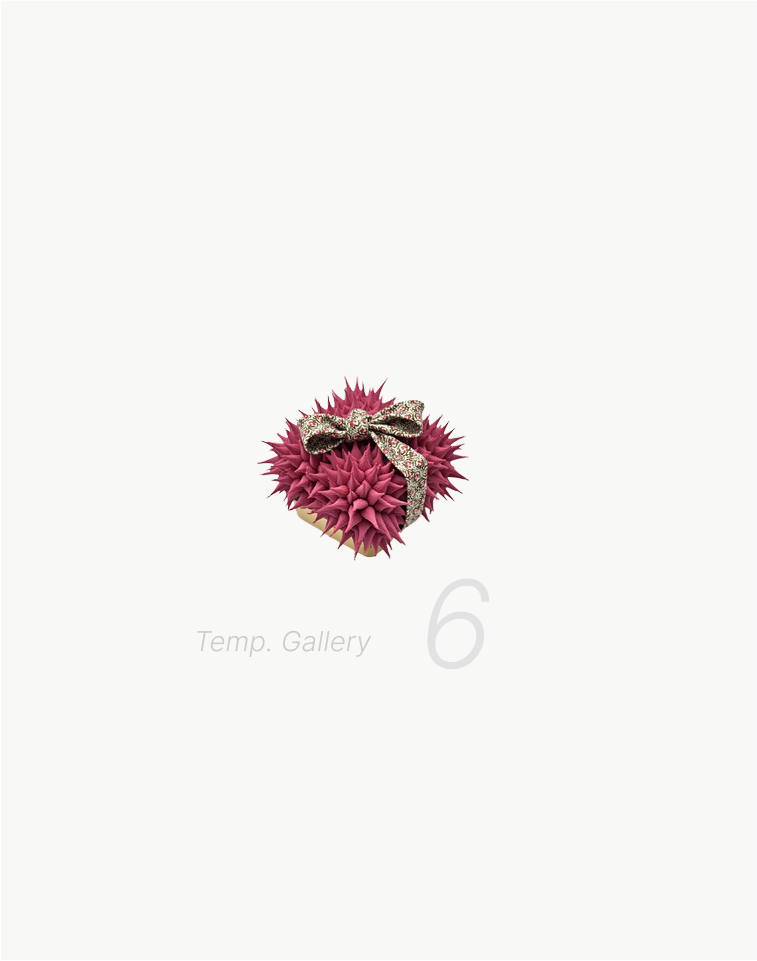
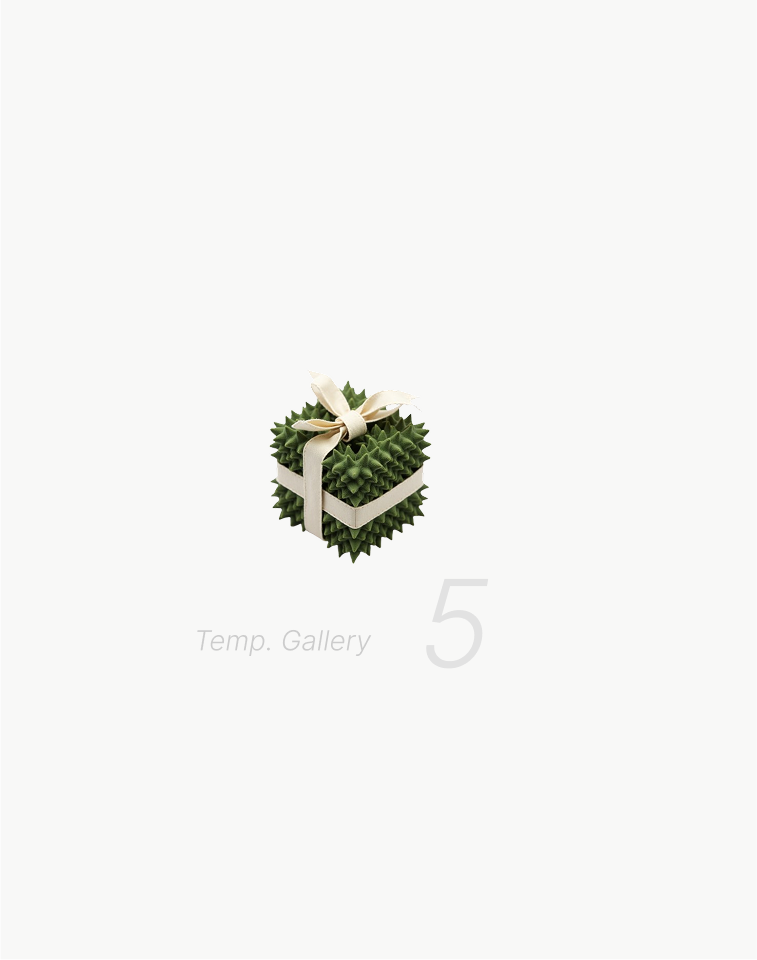
These “spiky” textures became Fuguku’s signature — not just for their striking appearance, but for what they represent. Each spike is a mark of resilience, an echo of the brand’s belief that beauty and endurance can coexist. “We wanted our pieces to feel alive,” Savirra explains, “as if they were breathing stories of tradition and transformation.”
Empowerment, One Stitch at a Time
But the essence of Fuguku extends beyond aesthetics. It lives in the people behind the craft. Over seventy women across Jakarta, Tangerang, Condet, and Pasar Minggu are now part of Fuguku’s ecosystem — many of them homemakers or women who once struggled to find financial stability.
Training programs transformed them into artisans, partners, and innovators. Among them is a stroke survivor who found a new sense of purpose through her craft. “When I make these patterns,” she says softly, “I feel my hands remember life again.”
What began as a fashion experiment evolved into a social movement — a tapestry of empowerment threaded with compassion. Every bag, every garment, carries their fingerprints and their stories.
The Language of Sustainability
Fuguku’s philosophy is rooted in responsibility — not as an afterthought, but as a design principle. The brand’s fabrics are made from recycled polyester sourced from ocean and landfill waste, ensuring that every creation protects the planet it draws inspiration from.
Even the brand’s after-sales rejuvenation service reflects this ethos. Customers can return worn pieces to be repaired — ensuring that beauty endures rather than being replaced. In a world that glorifies consumption, Fuguku quietly champions continuity.
“Sustainability isn’t just about materials,” Savirra says. “It’s about care — for culture, for people, for what we create.”
Culture in Motion
To understand Fuguku’s artistry is to see fashion not as clothing, but as cultural language. The brand’s patterns draw upon Batik motifs, Indonesian folklore, and Japanese geometry — forming visual poems that transcend borders. Every collection becomes a dialogue between old and new, between heritage and experimentation.
On the runway, the results are mesmerizing. Each Fugu Bag or ready-to-wear piece carries a pulse — vibrant, tactile, and deeply human. Audiences at Indonesia Fashion Week 2025 watched in awe as the collection shimmered under the lights: textures catching the glow, forms sculpted in motion, and stories woven into every fold.
Fuguku’s craft doesn’t imitate tradition; it extends it.
A Movement, Not a Brand
In an era of fast fashion and fleeting trends, Fuguku stands as a quiet revolution. It is art that breathes. It is culture that evolves.
The women behind its creations are not nameless laborers but storytellers. The brand’s textures are not mere decoration but metaphors — for endurance, transformation, and community.
Fuguku’s mission goes beyond aesthetics: to prove that art and ethics can coexist, and that fashion, when guided by purpose, can become a form of cultural preservation.
As Savirra Lavinia puts it, “Our heritage isn’t meant to be archived — it’s meant to be lived. We wear it, reshape it, and carry it forward.”
Through Fuguku, the art of Jumputan doesn’t just survive — it evolves, adorned with spikes of resilience and threads of hope.